“Hey, have you ever tried cooking a ribeye so good it makes you rethink steak night?” That’s what my buddy said last weekend when I casually tossed a perfectly reverse-seared ribeye steak on the table. Actually, this all started on a lazy Tuesday evening when I was too tired to fuss with complicated recipes but still craving something that screamed indulgence. I had this gorgeous ribeye staring at me from the fridge, and honestly, I almost pan-seared it the usual way. But then I remembered a trick I’d read about—reverse searing. Skeptical at first, I gave it a shot.
The smell of that steak cooking low and slow in the oven, then finishing off with a sizzling sear in my cast iron skillet? The crust was nothing short of magnificent. Each bite revealed a juicy, tender center that felt like it melted in my mouth. No joke, I ended up making it three times that week, tweaking the seasoning a bit each time. It’s funny how a small change in cooking technique can transform something familiar into a new favorite. This reverse-sear ribeye steak recipe stuck with me because it’s simple but feels like a special occasion—perfect for winding down after a long day or impressing friends without too much fuss.
What’s more, it works whether you’re a kitchen rookie or a seasoned pro. And hey, if you’re wondering how to get that crisp crust without overcooking the inside, you’re in the right spot. This recipe’s got you covered with a juicy, tender center that’s honestly hard to beat. So let’s just say, this reverse-sear ribeye is the kind of steak that makes you close your eyes halfway through the first bite and smile quietly to yourself. No frills, just real, rewarding steak perfection.
Why You’ll Love This Recipe
Cooking ribeye steak with the reverse-sear method has quickly become my go-to for several reasons. Here’s why I think you’ll love it as much as I do:
- Quick & Easy: While it sounds fancy, this method takes about 45 minutes total, and most of that is hands-off in the oven, making it perfect for busy weeknights or when you want a relaxed cooking pace.
- Simple Ingredients: You only need ribeye, salt, pepper, and a bit of high-heat oil or butter. No complicated marinades or hard-to-find spices.
- Perfect for Any Occasion: Whether you’re hosting a casual dinner or just treating yourself, this steak fits right in—especially if you want to impress with minimal effort.
- Crowd-Pleaser: I’ve served this to friends who usually prefer leaner cuts, and they were all converted. The juicy, tender texture wins over even the toughest steak skeptics.
- Unbelievably Delicious: The slow cooking inside the oven lets the meat retain its juices, while the final sear creates that crave-worthy crust. It’s steak night, but better.
What sets this reverse-sear ribeye apart is the balance. The low oven temperature gently brings the steak to a perfect medium-rare doneness throughout before the skillet blast locks in flavor with a caramelized crust. Plus, using a cast iron skillet for the sear means you get that authentic steakhouse finish right at home. Honestly, it’s the kind of recipe that makes you want to make steak more often—without the stress or guesswork.
What Ingredients You Will Need
This recipe uses straightforward, high-quality ingredients to bring out the natural flavor of ribeye without any distractions. You probably already have most of these on hand, making it perfect for spontaneous steak cravings.
- Ribeye Steak: About 1 to 1.5 inches thick, 12–16 ounces (340–450 grams) is ideal. Look for well-marbled, fresh beef for that juicy tender center. I usually go with USDA Choice or Prime if I can find it.
- Salt: Kosher salt or sea salt works best for seasoning. Coarse salt helps create that savory crust.
- Freshly Ground Black Pepper: Adds a perfect bite without overpowering the meat.
- High-Smoke Point Oil: Such as avocado oil, grapeseed oil, or refined canola oil. These oils handle the hot sear without burning.
- Unsalted Butter: Optional but recommended for finishing—adds richness and a glossy finish.
- Fresh Herbs (optional): A sprig of rosemary or thyme can be tossed in the pan during searing for subtle aroma.
- Garlic Cloves (optional): Lightly crushed, to infuse butter during the final sear.
For substitutions, if you prefer a dairy-free option, skip the butter or use a plant-based alternative. If you want to experiment, dry-aged ribeye will give you a deeper flavor, but fresh ribeye works beautifully for this method. And if you’re looking for a gluten-free meal, this recipe fits perfectly without any modifications.
Equipment Needed
- Oven-Safe Wire Rack: Helps air circulate around the steak for even cooking in the oven. If you don’t have one, placing the steak on a baking sheet lined with parchment works too.
- Baking Sheet or Roasting Pan: To hold the rack and catch drippings, making cleanup easier.
- Cast Iron Skillet: Highly recommended for the final sear. Its ability to retain and distribute heat evenly gives that perfect crust every time. If you don’t have cast iron, a heavy stainless steel pan will do.
- Tongs: For flipping the steak safely and easily during searing.
- Instant-Read Meat Thermometer: This is a game changer for perfect doneness. I swear by mine for all steaks (and it pairs nicely when making sheet pan beef dinners as well).
- Aluminum Foil: To tent the steak while resting and keep it warm.
Personally, investing in a good cast iron skillet has been worth every penny—beyond steaks, it’s perfect for everything from crispy chicken to skillet cornbread. Just remember to season it well and avoid soap when cleaning. For budget-friendly options, many brands offer affordable pans that perform great without breaking the bank.
Preparation Method
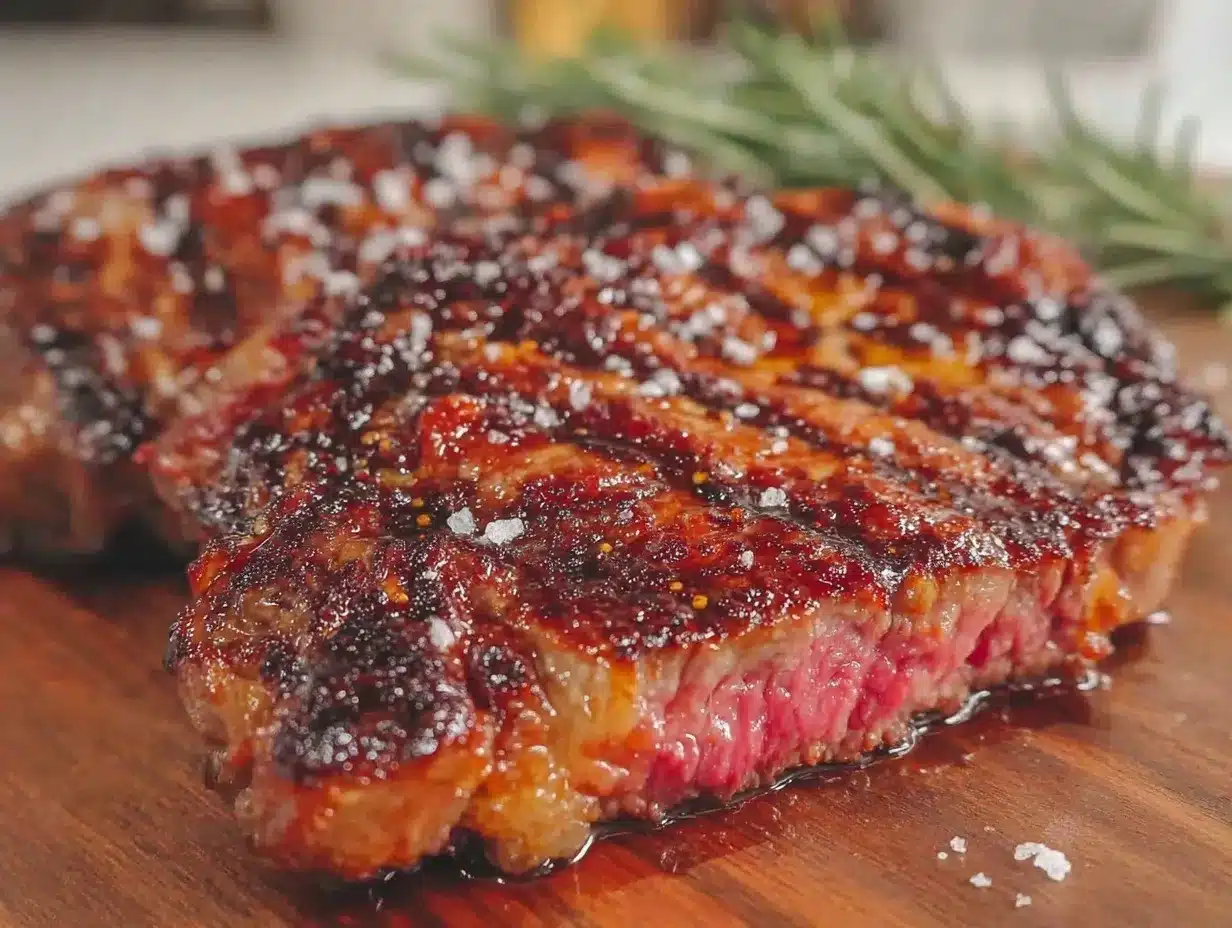
- Bring the Steak to Room Temperature (15–20 minutes): Take your ribeye out of the fridge and let it rest on the counter. This helps the meat cook evenly, so the center stays juicy and tender.
- Preheat Your Oven to 275°F (135°C): A low temperature allows gentle, even cooking without overcooking the edges.
- Season the Steak Generously: Pat the steak dry with paper towels. Then sprinkle kosher salt and freshly ground black pepper on all sides. Don’t be shy with the seasoning—it forms the base for that crust later.
- Place the Steak on the Wire Rack: Set the ribeye on the rack over the baking sheet. This setup lets hot air circulate around the steak to cook it evenly.
- Cook in the Oven Until Internal Temperature Reaches 115°F (46°C) for Medium-Rare: This usually takes about 30–40 minutes, but start checking at 25 minutes with your instant-read thermometer. You want to remove the steak just before it hits your desired temperature because it will continue cooking during searing and resting.
- Heat Your Cast Iron Skillet on High Heat: Add a tablespoon of high-smoke point oil. Wait until the oil just starts to shimmer—this means it’s hot enough for a perfect sear.
- Sear the Steak for 1–2 Minutes Per Side: Place the steak in the skillet and press down lightly to ensure full contact. Add butter, garlic, and herbs to the pan. Spoon the melted butter over the steak as it sears. This gives a beautiful crust and deep flavor.
- Check the Final Internal Temperature: Aim for 125°F (52°C) for medium-rare after searing. Adjust sear time slightly if you prefer more or less doneness.
- Rest the Steak for 5–10 Minutes: Tent loosely with foil and let the juices redistribute. This step is crucial for that juicy, tender center.
- Slice and Serve: Cut against the grain for maximum tenderness and enjoy!
Pro tip: If you don’t have a thermometer, judge doneness by touch—medium-rare feels like the fleshy part of your hand below the thumb when relaxed. And don’t rush resting; that’s when magic happens.
Cooking Tips & Techniques
For the best reverse-sear ribeye, a few insider tips can make all the difference. First off, patience is key. The low-and-slow oven step might seem like a detour, but it’s what helps keep the steak juicy and tender inside. Rushing this part often leads to uneven cooking or a dry interior.
Don’t skip the drying step before seasoning. Moisture on the surface creates steam and prevents that coveted crust. Patting the steak dry with paper towels before seasoning makes the sear crispier.
When searing, cast iron is king. It holds heat better than any other pan I’ve tried. I once tried a nonstick pan and, honestly, the crust was just sad—pale and uneven. Also, adding butter and aromatics like garlic and fresh herbs to the pan during searing isn’t just for show; it adds a subtle depth of flavor that lifts the entire dish.
Keep your tongs handy for flipping the steak, but avoid piercing it with a fork—juices escape, and you lose that tender center. Multitasking tip: While the steak is in the oven, use that time to prep sides or set the table. I often whip up quick mashed potatoes or a salad, like the ones that go well with this creamy sausage and potato soup.
Variations & Adaptations
This perfect reverse-sear ribeye steak recipe is pretty versatile if you want to mix things up:
- Herb and Garlic Butter Finish: Try mixing softened butter with minced garlic, chopped rosemary, and thyme to dollop on the steak right before serving.
- Spice Rub Alternative: Instead of simple salt and pepper, use a dry rub with smoked paprika, garlic powder, and a pinch of cayenne for a smoky kick.
- Grilling Adaptation: If you prefer grilling, you can still reverse-sear by cooking the steak over indirect heat first, then finishing over direct high heat for a crust.
- Dietary Adjustments: For a dairy-free option, skip the butter and use oil instead. For a lower-sodium version, reduce the salt and add fresh herbs to boost flavor.
- Personal Twist: I once added a splash of soy sauce to the pan during searing for an umami boost, which paired beautifully with a side of roasted veggies.
Serving & Storage Suggestions
Serve your reverse-sear ribeye steak immediately after resting and slicing, ideally warm but not piping hot. The steak shines when paired with simple sides like roasted potatoes, sautéed greens, or a fresh salad.
For a complete meal, I often recommend pairing it with a rich, creamy side like mashed potatoes or something lighter like a vinaigrette-dressed green salad. If you’re into seafood, the flavors balance nicely with something like a one-pot salmon with quinoa for a surf-and-turf vibe.
If you have leftovers, wrap the steak tightly in foil or place it in an airtight container and refrigerate for up to 3 days. Reheat gently in a low oven (around 250°F/120°C) or a skillet over medium heat to keep it tender. Avoid microwaving, which can dry out the meat. Flavors actually deepen a bit after a day, so leftovers can be surprisingly good.
Nutritional Information & Benefits
An average 12-ounce (340-gram) ribeye steak cooked this way provides approximately 700–800 calories, with about 55 grams of protein and 55 grams of fat, depending on the marbling. Ribeye is rich in iron, zinc, and B vitamins, all essential for energy and immune support.
By cooking the steak using the reverse-sear method, you retain more of the natural juices and nutrients since the meat isn’t exposed to excessively high heat for long periods. Plus, seasoning simply with salt and pepper keeps it free of unnecessary additives.
For those mindful of fat intake, trimming excess fat before cooking or choosing a leaner cut can help, but part of ribeye’s charm is its marbling—which delivers that juicy, tender experience. This recipe pairs well with nutrient-dense veggies or whole grains to balance the meal.
Conclusion
Making the perfect reverse-sear ribeye steak isn’t just about a recipe—it’s about enjoying the process and savoring the results. This method brings out the best in ribeye, giving you a juicy, tender center and a mouthwatering crust that makes every bite worth it. I love how simple ingredients and straightforward steps can create something so rewarding.
Feel free to play around with seasoning or sides to make this your own signature steak night. It’s reliable, impressive, and honestly, hard to beat for any occasion. If you’ve been hesitant to try reverse searing, I hope you give it a go—you might just find it changes how you cook steak forever.
And if you’re interested in more hearty beef recipes, my sheet pan beef dinner is a family favorite that pairs perfectly with the same no-fuss vibe this ribeye offers.
Frequently Asked Questions
What is reverse searing, and why is it better than traditional searing?
Reverse searing means cooking the steak slowly at a low temperature first, then finishing with a quick, high-heat sear. It results in a more even doneness with a juicy center and a crisp crust without overcooking the edges.
How do I know when my ribeye is done during the oven step?
Use an instant-read thermometer and remove the steak when it reaches about 115°F (46°C) for medium-rare. It will continue to cook during searing and resting.
Can I use this method for other cuts of steak?
Yes! This works great for thick cuts like strip steak, filet mignon, or even thicker sirloin steaks.
What if I don’t have a cast iron skillet?
You can use a heavy-bottomed stainless steel pan. Just make sure it can handle high heat and heats evenly for a good sear.
How do I store leftover steak without drying it out?
Wrap leftovers tightly in foil or store in an airtight container in the fridge. Reheat gently in a low oven or skillet to keep the meat tender and juicy.
Pin This Recipe!
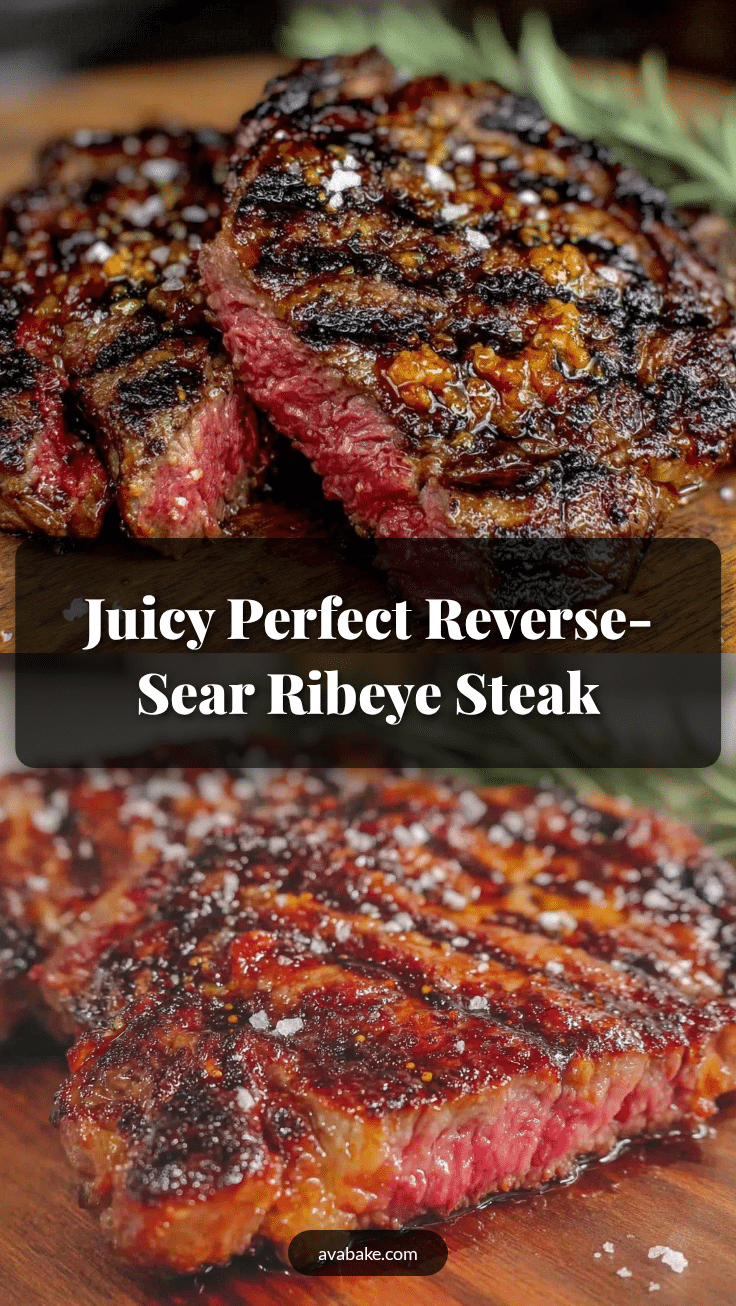
Perfect Reverse-Sear Ribeye Steak Recipe for Juicy Tender Steak
This reverse-sear ribeye steak recipe delivers a juicy, tender center with a magnificent crust, perfect for steak lovers seeking an easy yet impressive meal.
- Prep Time: 15 minutes
- Cook Time: 40 minutes
- Total Time: 55 minutes
- Yield: 1 serving 1x
- Category: Main Course
- Cuisine: American
Ingredients
- 1 ribeye steak, 12–16 ounces (340–450 grams), about 1 to 1.5 inches thick
- Kosher salt or sea salt, to taste
- Freshly ground black pepper, to taste
- 1 tablespoon high-smoke point oil (avocado oil, grapeseed oil, or refined canola oil)
- 1 tablespoon unsalted butter (optional)
- 1 sprig fresh rosemary or thyme (optional)
- 2 garlic cloves, lightly crushed (optional)
Instructions
- Bring the ribeye steak to room temperature for 15–20 minutes.
- Preheat your oven to 275°F (135°C).
- Pat the steak dry with paper towels. Season generously with kosher salt and freshly ground black pepper on all sides.
- Place the steak on an oven-safe wire rack set over a baking sheet.
- Cook in the oven until the internal temperature reaches 115°F (46°C) for medium-rare, about 30–40 minutes. Start checking at 25 minutes.
- Heat a cast iron skillet on high heat and add 1 tablespoon of high-smoke point oil. Wait until the oil shimmers.
- Sear the steak for 1–2 minutes per side, pressing lightly for full contact. Add butter, garlic, and herbs to the pan and spoon melted butter over the steak while searing.
- Check the final internal temperature aiming for 125°F (52°C) for medium-rare. Adjust sear time if needed.
- Rest the steak tented loosely with foil for 5–10 minutes to redistribute juices.
- Slice against the grain and serve immediately.
Notes
Pat the steak dry before seasoning to ensure a crispy crust. Use a cast iron skillet for the best sear. Rest the steak after cooking to keep it juicy. If you don’t have a thermometer, use the touch method for doneness. Avoid piercing the steak with a fork to retain juices.
Nutrition
- Serving Size: 1 ribeye steak (12–1
- Calories: 750
- Sodium: 600
- Fat: 55
- Saturated Fat: 22
- Protein: 55
Keywords: reverse sear, ribeye steak, steak recipe, juicy steak, cast iron skillet, easy steak, medium-rare steak