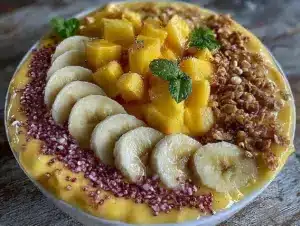
“You have to try this smoothie bowl—it’s like sunshine in a spoon,” my friend texted on a sluggish Monday morning. Honestly, I was skeptical. Smoothie bowls always seemed a bit too fussy or gimmicky to me, especially when I was rushing to get breakfast done. But that afternoon, my curiosity nudged me to gather a few mangoes and pineapples lingering in my fridge. What happened next? This fresh tropical mango pineapple protein smoothie bowl became my unexpected go-to breakfast, especially on mornings when I wanted something that felt both indulgent and nourishing.
The first time I spooned it, the blend of juicy mango and sweet pineapple hit me like a cool tropical breeze, bright and refreshing but surprisingly filling. I wasn’t just eating fruit—I was enjoying a creamy, protein-packed treat that kept me energized for hours. This recipe stuck with me because it’s straightforward but never dull, and it’s flexible enough to suit whatever’s in your kitchen or mood.
What’s more, making this smoothie bowl felt like a little moment of calm—a quiet, colorful ritual before the chaos of the day. It’s not just about breakfast; it’s about starting the day with something vibrant, healthy, and a little bit special. This recipe isn’t just another smoothie; it’s a fresh, tropical pick-me-up that’s easy enough for busy mornings but satisfying enough to feel like a small celebration.
Why You’ll Love This Recipe
After experimenting with countless smoothie bowls, this fresh tropical mango pineapple protein smoothie bowl really stood out. The balance between natural sweetness and creaminess is spot on, and the protein boost keeps it from being just a sugary treat. Here’s what makes it a winner:
- Quick & Easy: Ready in under 10 minutes, perfect for those rushed mornings or lazy weekend brunches.
- Simple Ingredients: You likely have these tropical staples in your pantry or freezer—no obscure items or special trips needed.
- Perfect for Morning Fuel: The protein addition makes it a balanced breakfast that keeps you full and focused.
- Crowd-Pleaser: The bright, tropical flavors appeal to kids and adults alike, making it great for sharing.
- Unbelievably Delicious: The smooth, creamy texture combined with fresh fruit makes every bite feel indulgent yet wholesome.
This isn’t just another smoothie bowl where you throw fruit in a blender. The trick is blending the cottage cheese with protein powder for a silky, satisfying base that’s not overly sweet. Plus, using frozen mango and pineapple chunks creates a naturally thick, spoonable texture without any added ice. It’s the kind of breakfast that feels like a mini tropical escape—without leaving your kitchen.
Honestly, after several mornings of making this, it’s become a quiet favorite for those times when I want health without hassle. It’s a recipe that feels both fresh and familiar, like a little boost of sunshine that you can count on.
What Ingredients You Will Need
This recipe uses simple, wholesome ingredients to deliver bold tropical flavor and satisfying texture without the fuss. Most are pantry or freezer staples, and substitutions are easy for dietary tweaks.
- Frozen mango chunks (about 1 cup / 150g) – Using frozen mango keeps the texture thick and creamy.
- Frozen pineapple chunks (1 cup / 150g) – Adds bright, tangy sweetness that pairs perfectly with mango.
- Cottage cheese (½ cup / 120g, small-curd, preferably low-fat) – The secret to creamy texture and protein boost. I recommend Friendship or Breakstone’s.
- Vanilla whey protein powder (1 scoop / about 30g) – Adds extra protein and subtle sweetness. Use your favorite brand; plant-based powders work too.
- Unsweetened almond milk (¼ cup / 60ml) – To help blend smoothly. Swap with any milk or milk alternative.
- Honey or maple syrup (1 tablespoon / 15ml, optional) – For a little extra sweetness if desired.
- Fresh lime juice (1 teaspoon / 5ml) – Brightens the flavors and balances sweetness.
Toppings (optional but recommended):
- Chia seeds (1 teaspoon) – Adds crunch and fiber.
- Toasted coconut flakes (1 tablespoon) – For a tropical, nutty note.
- Fresh mango or pineapple slices – For extra freshness and decoration.
- Sliced almonds or granola – Adds texture and makes it more filling.
In summer, I sometimes swap frozen fruit for fresh mango and pineapple, but add a handful of ice cubes to keep it thick. For those avoiding dairy, coconut yogurt replaces cottage cheese well, though texture changes slightly.
Equipment Needed
- High-speed blender – Essential for smooth, creamy texture. I use a Vitamix, but a Ninja or NutriBullet also works great.
- Measuring cups and spoons – For precise ingredient amounts.
- Spoon or spatula – To transfer the smoothie into your bowl without waste.
- Serving bowl – Wide and shallow works best for toppings.
If you don’t have a high-powered blender, pulse frozen fruit in smaller batches to avoid straining your appliance. A good tip: keep the blender base clean immediately after use to avoid residue buildup—makes the next smoothie easier!
Preparation Method
- Measure and prepare your ingredients. Gather 1 cup each of frozen mango and pineapple, ½ cup cottage cheese, 1 scoop vanilla protein powder, ¼ cup almond milk, 1 teaspoon fresh lime juice, and optional sweetener.
- Start blending the base. Add frozen mango and pineapple chunks to the blender first. Pulse a few times to break down the fruit.
- Add cottage cheese and protein powder. These create a creamy, protein-packed base. Pour in the almond milk and lime juice next.
- Blend on high speed for about 1 minute. Stop and scrape down the sides if needed. The mixture should be smooth, thick, and spoonable—not runny.
- Taste and adjust sweetness. Add 1 tablespoon honey or maple syrup if you want it sweeter. Blend again briefly.
- Pour into your serving bowl. It should hold its shape nicely—think thick yogurt consistency.
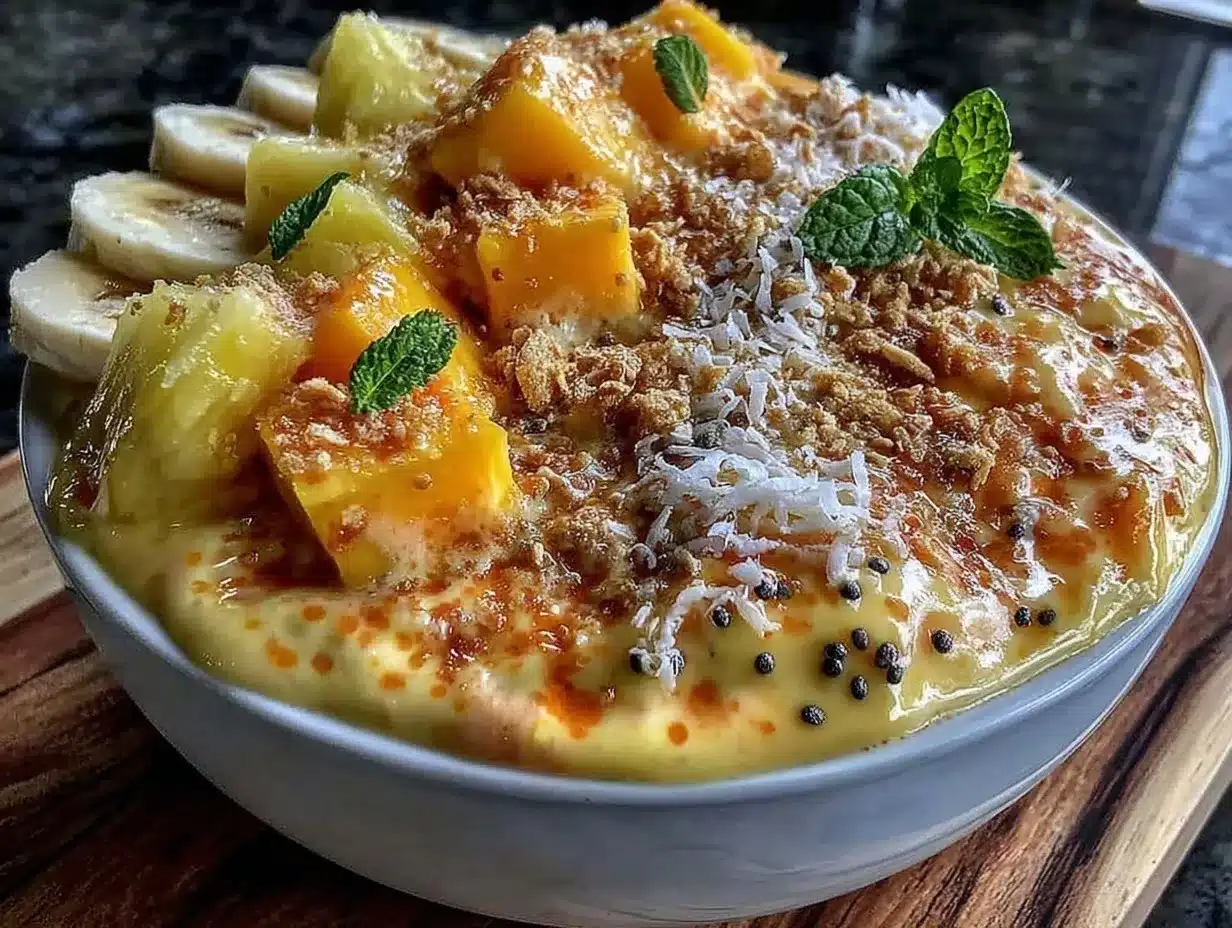
- Add your favorite toppings. Sprinkle chia seeds, toasted coconut flakes, fresh fruit slices, and almonds or granola on top for texture and extra flavor.
- Serve immediately. For extra chill, you can place the bowl in the fridge for 5 minutes but it’s best fresh.
Pro tip: If your smoothie is too thick, add a splash more almond milk—just a little at a time. Too thin? Add a few more frozen fruit chunks and pulse again.
Cooking Tips & Techniques
Getting the texture right is the heart of a smoothie bowl. Here’s what I’ve learned from trial and error:
- Freeze your fruit well. Using properly frozen mango and pineapple chunks is key to thick texture without watering down your bowl like ice cubes would.
- Choose the right cottage cheese. Small-curd and low-fat varieties blend smoother and less grainy. I’ve tried different brands, and some can be too lumpy.
- Protein powder matters. Vanilla adds a nice flavor without overpowering fruit. Avoid unflavored powders—they can make the bowl taste flat.
- Blend in stages. Pulsing frozen fruit first prevents your blender from struggling and helps with even texture.
- Don’t skimp on lime juice. That little splash brightens the whole bowl and cuts through sweetness.
- Multitask by prepping toppings while the blender runs. It saves time and makes plating more fun.
Once, I tried making this with fresh fruit and no frozen chunks—big mistake! It ended up watery and sad. Lesson learned: frozen fruit is your friend here. Also, I’ve found that a little patience scraping down the blender sides helps get every bit smooth.
Variations & Adaptations
This fresh tropical mango pineapple protein smoothie bowl is super flexible. Here are some ways I’ve adapted it:
- Dietary swaps: Use plant-based protein powder and coconut yogurt instead of cottage cheese for a vegan version.
- Seasonal twists: In winter, I swap tropical fruits for frozen berries and add a teaspoon of cinnamon to warm it up.
- Flavor boosts: Add a teaspoon of matcha powder or a pinch of ginger for an extra zing.
- Cooking method: Sometimes, I blend the base and then freeze it for 30 minutes for a thicker, almost sorbet-like texture.
- Personal favorite: Adding a splash of freshly squeezed orange juice along with lime juice creates a brighter citrus note I love.
Allergies? Swap almond milk for oat or rice milk, and use sunflower seed butter instead of protein powder for nut-free protein. It’s all about making it your own while keeping that tropical vibe front and center.
Serving & Storage Suggestions
Serve this smoothie bowl chilled, ideally right after blending, topped with crunchy textures for contrast. It pairs beautifully with a hot cup of green tea or fresh-pressed juice to balance the cold creaminess.
If you’re prepping ahead, you can make the base up to 24 hours in advance and store it in the fridge in a sealed container. Stir well before serving and add fresh toppings just before eating to keep them crisp.
For longer storage, freeze the base in an airtight container for up to a month. Thaw in the fridge overnight and stir to restore creaminess before serving.
Flavors tend to mellow a bit after refrigeration, so a squeeze of fresh lime or a dash of honey before serving can revive that tropical punch.
Nutritional Information & Benefits
This fresh tropical mango pineapple protein smoothie bowl packs a nutritious punch in every spoonful. Here’s an estimate per serving:
| Calories | Protein | Carbs | Fat | Fiber |
|---|---|---|---|---|
| 280 kcal | 22g | 35g | 3g | 5g |
The protein mainly comes from cottage cheese and protein powder, supporting muscle health and satiety. Mango and pineapple provide vitamin C and antioxidants, which support immune function and skin health. The addition of chia seeds and coconut flakes boosts fiber and healthy fats.
This bowl is naturally gluten-free and low in added sugars (when you skip the sweetener). It fits well into most balanced diets, including low-carb adaptations by reducing fruit portions.
Conclusion
In short, this fresh tropical mango pineapple protein smoothie bowl is an easy, vibrant way to start your day with both flavor and nutrition. It’s simple to make, versatile to tweak, and satisfying enough to keep you energized until lunch.
I love how this recipe turns a handful of frozen fruit and a few pantry staples into a bright, creamy breakfast that feels like a treat without the guilt. It’s become my little secret for mornings when I want something quick but special.
Give it a try, and make it yours—add your favorite toppings, swap ingredients, or blend in some unexpected flavors. I’d love to hear how you customize it and what moments this bowl brightens in your routine.
Here’s to many sunny mornings ahead!
FAQs About the Fresh Tropical Mango Pineapple Protein Smoothie Bowl
Can I use fresh fruit instead of frozen?
You can, but the smoothie bowl won’t be as thick or creamy. If using fresh mango and pineapple, add a handful of ice cubes to help with texture.
What protein powder works best?
Vanilla-flavored whey protein powder blends well to add sweetness and creaminess. Plant-based powders like pea or rice protein can work but may alter texture slightly.
Is this smoothie bowl suitable for vegans?
Yes! Replace cottage cheese with coconut or almond yogurt and use plant-based protein powder to keep it vegan-friendly.
How do I keep the toppings crunchy?
Add toppings just before serving. Storing the bowl with toppings will cause them to soften quickly.
Can I meal prep this smoothie bowl?
You can prepare the base up to 24 hours ahead. Store it in the fridge and add fresh toppings when ready to eat. For longer storage, freeze the base and thaw before serving.
By the way, if you’re looking for more easy, satisfying meals to complement your breakfast routine, the creamy slow cooker green eggs and ham is a fantastic savory option to try. And for a wholesome dinner to round out the day, the easy one-pot St. Patrick’s Day salmon with quinoa recipe offers simple preparation with big flavors—no fuss, just like this tropical smoothie bowl.
Pin This Recipe!
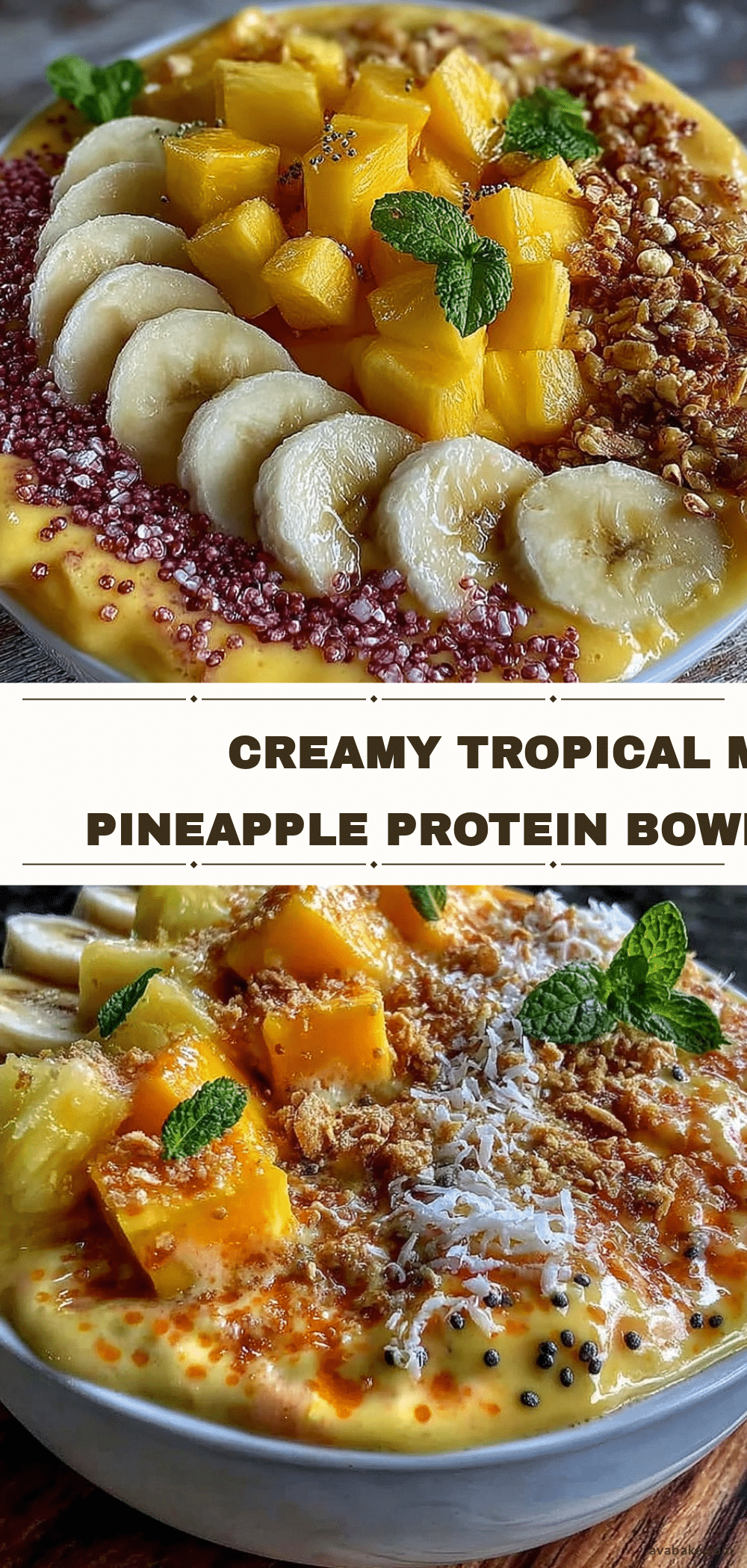
Fresh Tropical Mango Pineapple Protein Smoothie Bowl
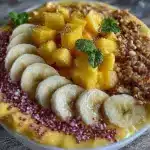
A vibrant and creamy smoothie bowl blending frozen mango and pineapple with cottage cheese and protein powder for a quick, healthy breakfast that feels indulgent yet nourishing.
- Prep Time: 5 minutes
- Cook Time: 5 minutes
- Total Time: 10 minutes
- Yield: 1 serving 1x
- Category: Breakfast
- Cuisine: Fusion
Ingredients
- 1 cup frozen mango chunks (about 150g)
- 1 cup frozen pineapple chunks (about 150g)
- ½ cup small-curd low-fat cottage cheese (about 120g)
- 1 scoop vanilla whey protein powder (about 30g)
- ¼ cup unsweetened almond milk (60ml)
- 1 tablespoon honey or maple syrup (optional, 15ml)
- 1 teaspoon fresh lime juice (5ml)
- Optional toppings: 1 teaspoon chia seeds, 1 tablespoon toasted coconut flakes, fresh mango or pineapple slices, sliced almonds or granola
Instructions
- Measure and prepare your ingredients: 1 cup each of frozen mango and pineapple, ½ cup cottage cheese, 1 scoop vanilla protein powder, ¼ cup almond milk, 1 teaspoon fresh lime juice, and optional sweetener.
- Add frozen mango and pineapple chunks to the blender first. Pulse a few times to break down the fruit.
- Add cottage cheese and protein powder to the blender. Pour in the almond milk and lime juice next.
- Blend on high speed for about 1 minute, stopping to scrape down the sides if needed. The mixture should be smooth, thick, and spoonable—not runny.
- Taste and adjust sweetness by adding 1 tablespoon honey or maple syrup if desired. Blend again briefly.
- Pour the smoothie into your serving bowl; it should hold its shape like thick yogurt.
- Add your favorite toppings such as chia seeds, toasted coconut flakes, fresh fruit slices, and almonds or granola.
- Serve immediately. For extra chill, place the bowl in the fridge for 5 minutes but it’s best fresh.
Notes
Use properly frozen mango and pineapple chunks for thick texture. Small-curd, low-fat cottage cheese blends smoother. Vanilla protein powder adds flavor without overpowering. If smoothie is too thick, add almond milk a little at a time; if too thin, add more frozen fruit and pulse again. For vegan version, replace cottage cheese with coconut yogurt and use plant-based protein powder.
Nutrition
- Serving Size: 1 bowl (about 12 oz)
- Calories: 280
- Fat: 3
- Carbohydrates: 35
- Fiber: 5
- Protein: 22
Keywords: smoothie bowl, mango, pineapple, protein smoothie, healthy breakfast, tropical smoothie, easy breakfast, cottage cheese smoothie