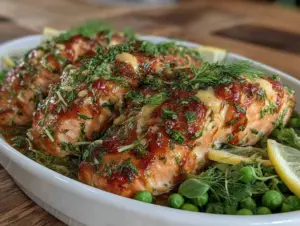
“You won’t believe it, but the secret to the crispiest salmon I’ve ever had came from my neighbor’s offhand comment while I was struggling to clean my grill one chilly March evening.” That night, as I wrestled with stubborn grime and half-listened to Sean’s advice about seasoning, I was more focused on not dropping the fish than on his words. Yet, something stuck with me—something that would change my St Patrick’s Day dinners forever.
It was a simple technique, really, but it felt like a little magic. Maybe you’ve been there: trying to get that golden, crackly skin on salmon without ending up with a soggy mess or dry fish. I sure have. Honestly, this recipe saved me from many a dinner disaster, and now it’s my go-to whenever the calendar points to March 17th.
One particularly hectic Tuesday, I mixed up the seasoning and forgot to preheat the oven properly—classic me. Yet, that fish still came out perfectly crisp and tender inside. It’s like the salmon had a mind of its own. This crispy St Patrick’s Day salmon baked to perfection isn’t just a dish; it’s a little celebration on a plate, with a touch of that Irish luck I could always use. So, whether you’re cooking for one or hosting a festive dinner, this recipe is sure to bring a smile—and maybe a bit of green on your plate too.
Why You’ll Love This Crispy St Patrick’s Day Salmon Recipe
Let me tell you, this salmon recipe is one of those rare gems that balances ease and wow-factor effortlessly. After testing countless versions—some with smoky paprika, others with a hint of dill—this one stood out for all the right reasons:
- Quick & Easy: Ready in under 30 minutes, making it a lifesaver for busy weeknights or last-minute St Patrick’s Day plans.
- Simple Ingredients: No need for fancy or hard-to-find items—just basics you probably have already.
- Perfect for Festive Occasions: Whether it’s a cozy dinner or a spirited gathering, this salmon fits right in.
- Crowd-Pleaser: Even picky eaters can’t resist that crispy skin and juicy flesh combination.
- Unbelievably Delicious: The texture contrast—crispy outside, tender inside—is something you won’t forget.
This recipe isn’t your typical baked salmon. The trick lies in how you treat the skin before it hits the oven—patting it dry, a light coat of oil, and that perfectly balanced seasoning blend inspired by Irish herbs and a splash of lemon zest. It’s comfort food with a fresh twist, the kind that makes you close your eyes and savor every bite. Plus, it’s a recipe that feels special without the stress, letting you enjoy the day rather than fussing over the stove.
What Ingredients You Will Need
This recipe uses simple, wholesome ingredients to deliver bold flavor and satisfying texture without fuss. Most are pantry staples, and a few fresh items add that perfect St Patrick’s Day touch.
- Salmon Fillets (4 pieces, skin-on, about 6 oz / 170g each) – Look for fresh, firm fillets from a trusted source like Wild Alaskan or Scottish salmon.
- Olive Oil (2 tablespoons) – Extra virgin for the best flavor and crispiness.
- Lemon Zest (1 teaspoon) – Adds brightness and a subtle zing.
- Garlic Powder (1 teaspoon) – For a gentle savory note.
- Dried Thyme (1 teaspoon) – An Irish kitchen staple that complements fish beautifully.
- Sea Salt (to taste) – Coarse flakes work best for crunch.
- Freshly Ground Black Pepper (to taste)
- Butter (1 tablespoon, melted) – Optional, for a glossy finish and richer flavor.
- Fresh Parsley (2 tablespoons, chopped) – For garnish and a pop of green.
If you prefer a gluten-free option, you’re in luck—this recipe is naturally gluten-free. For a dairy-free version, skip the butter or replace it with a plant-based alternative like vegan margarine. Fresh herbs like dill or chives can be swapped in if thyme isn’t your thing, and in springtime, a few chopped green onions add a lovely mild bite.
Equipment Needed
- Baking Sheet: A rimmed baking sheet works best to catch any drips. I like using a heavy-duty one with a non-stick surface, but parchment paper works well too.
- Wire Rack (optional): Placing salmon on a rack helps air circulate under the skin for extra crispiness, but if you don’t have one, just use the baking sheet directly.
- Paper Towels: Essential for patting the salmon skin dry—trust me, this step is critical.
- Sharp Knife: For scoring the skin gently if desired (helps prevent curling).
- Measuring Spoons: For precise seasoning.
- Oven Thermometer (optional): If your oven runs hot or cold, this helps keep the baking temperature right on track.
I’ve tried baking salmon on different pans, and honestly, a heavy baking sheet distributes heat more evenly. If you only have a glass or ceramic dish, just watch closely for cooking time. I also keep a fish spatula handy for serving—makes lifting the fillets much easier without breaking the skin.
Preparation Method
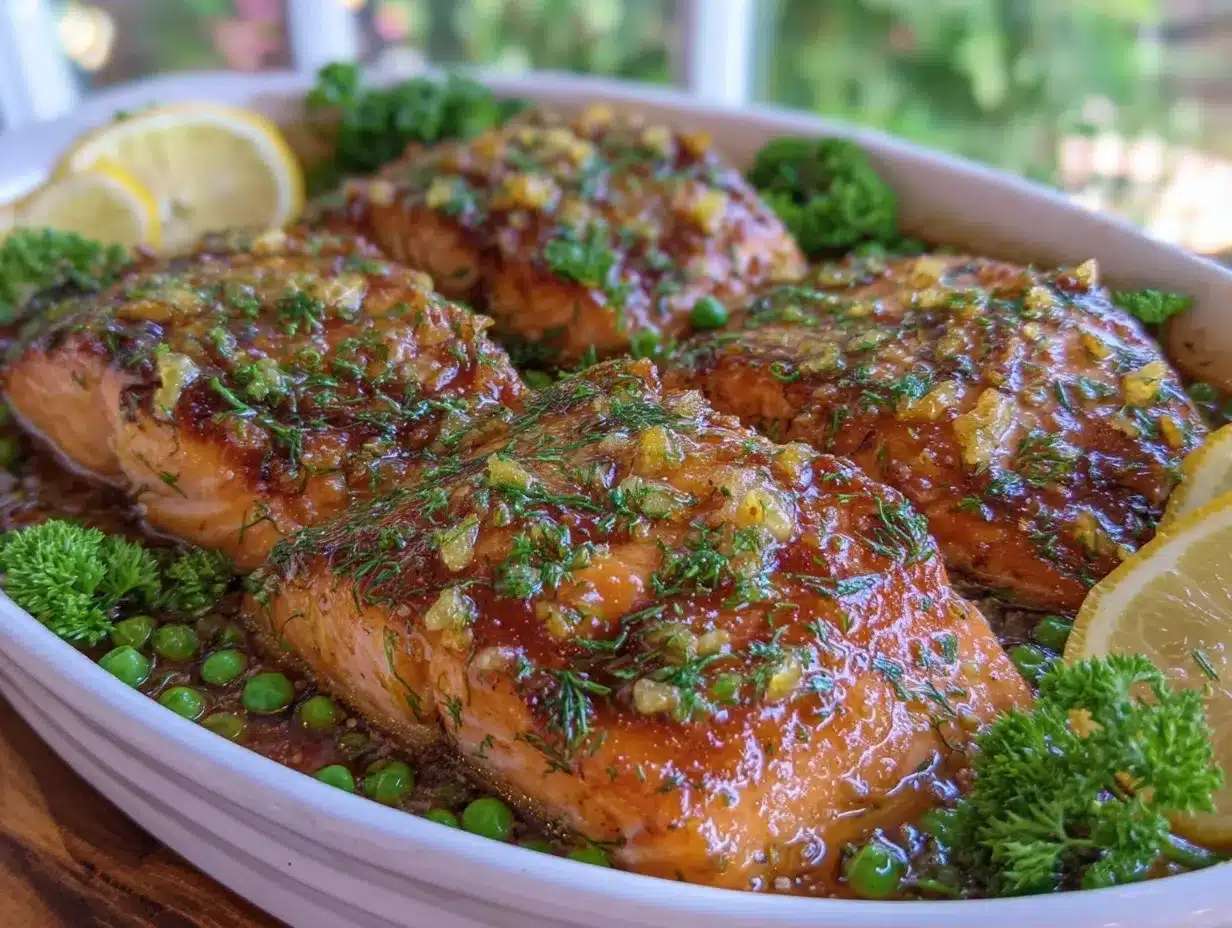
- Preheat your oven to 425°F (220°C). This higher temperature is key to crisping the skin without drying the flesh. Set your rack in the middle position.
- Prepare the salmon: Rinse the fillets under cold water and pat them completely dry with paper towels, especially the skin side. Moisture is the enemy of crispiness here.
- Score the skin (optional): Using a sharp knife, make 2-3 shallow slashes on the skin side, about 1-inch apart. Be careful not to cut into the flesh. This helps prevent the skin from curling during baking.
- Season the salmon: Place fillets skin-side down on a baking sheet or wire rack. Drizzle olive oil evenly over the top and skin, then sprinkle lemon zest, garlic powder, dried thyme, sea salt, and black pepper. Pat the seasonings gently to adhere.
- Bake for 12-15 minutes: Depending on thickness (about 1-inch / 2.5cm), the salmon should be opaque and flake easily with a fork. The skin should be golden and crisp. Avoid opening the oven too often, or the heat escapes and affects the crispiness.
- Optional finishing touch: Brush the salmon with melted butter as soon as it comes out for a glossy, rich finish. Sprinkle chopped fresh parsley on top.
- Rest for 2 minutes: Let the salmon sit briefly before serving to allow juices to redistribute.
Pro tip: If you notice the skin isn’t crisping enough, you can briefly switch to broil for 1-2 minutes at the end—just watch closely to avoid burning. Also, if your fillets are uneven in thickness, flip the thicker side toward the oven’s heat source.
Cooking Tips & Techniques
Getting that salmon skin crispy is honestly the trickiest part, but a few tips can save you from frustration. First, always start with dry skin—wet or damp skin steams rather than crisps. Patting with paper towels isn’t optional here.
Second, a hot oven makes a big difference. I’ve learned that baking at a lower temp might cook the fish through but won’t give you that coveted crunch. Trust me, 425°F (220°C) is the sweet spot.
Don’t overcrowd the pan! Give each fillet some breathing room so air circulates and skin crisps evenly. If you’re cooking a bunch, use two pans if needed.
Also, resist the urge to flip the salmon while baking. Skin-down is best for crispiness, and flipping can cause the skin to tear or lose texture.
I once tried marinating the salmon overnight, but the skin got soggy and tough. So, for this recipe, keep it simple with dry seasoning. Lastly, rest the fish after baking; it’s tempting to dig in immediately, but a short rest keeps the flesh juicy.
Variations & Adaptations
- Herb Swap: Instead of thyme, try fresh dill or tarragon for a different herbal note that pairs beautifully with salmon.
- Spicy Kick: Add a pinch of smoked paprika or cayenne pepper to the seasoning for a subtle heat that wakes up the dish.
- Citrus Twist: Use orange zest in place of lemon zest for a sweeter, fragrant citrus flavor—perfect in spring.
- Cooking Method: If you don’t want to bake, pan-sear the salmon skin-side down over medium-high heat for 5-7 minutes, then finish in the oven at 400°F (205°C) for 5 minutes.
- Allergy-Friendly: For dairy-free, omit the butter or use coconut oil. For low sodium, reduce the salt and add a splash of soy sauce or tamari for flavor.
Personally, I’ve made this with a quick honey-mustard glaze for a sweet-savory twist that guests adored. Just brush it on in the last 3 minutes of baking to avoid burning.
Serving & Storage Suggestions
This salmon is best served hot, straight from the oven, to enjoy the crispy skin at its peak. Pair it with a simple side like sautéed kale with garlic or roasted baby potatoes tossed in rosemary. A crisp white wine or a light Irish ale complements the flavors beautifully.
If you have leftovers, store them in an airtight container in the refrigerator for up to 2 days. To reheat, gently warm in a 300°F (150°C) oven for 8-10 minutes to help the skin regain some crispness—avoid the microwave, which makes the skin rubbery.
Flavors tend to deepen after a day, so leftover salmon can be delicious cold on salads or flaked into sandwiches. Just be sure to keep it well-covered to maintain freshness.
Nutritional Information & Benefits
Each serving of this crispy salmon contains roughly 350 calories, 22 grams of protein, and 25 grams of healthy fats, including omega-3 fatty acids essential for heart and brain health. The addition of olive oil and fresh herbs provides antioxidants and anti-inflammatory benefits.
This recipe is naturally gluten-free and low in carbohydrates, making it suitable for many dietary preferences. The salmon’s high-quality protein supports muscle maintenance, while lemon zest adds vitamin C for immune support.
From a wellness perspective, I appreciate how this dish balances indulgence and nutrition without complicated ingredients or techniques—comfort food that feels good to eat.
Conclusion
This crispy St Patrick’s Day salmon baked to perfection is a recipe worth keeping in your culinary rotation. It’s simple enough for weeknights but special enough to celebrate a holiday or impress guests without fuss. The crispy skin, fresh lemony notes, and herb seasoning come together in a way that feels both familiar and exciting.
Feel free to tweak the herbs or add your favorite spices to make it truly yours. I love this recipe because it reminds me that good food doesn’t have to be complicated to be memorable. Give it a try, and I’d love to hear how your salmon turns out—drop a comment or share your twists!
Here’s to great food, good company, and a little Irish luck on your plate.
Frequently Asked Questions
How can I make sure the salmon skin gets really crispy?
Pat the skin very dry before seasoning, use a hot oven (425°F/220°C), and avoid flipping the fillets during baking. Optional broiling for 1-2 minutes at the end helps too.
Can I use frozen salmon for this recipe?
Yes, but thaw completely and pat dry before cooking to remove moisture that prevents crispiness.
What if I don’t like the skin?
You can remove the skin after cooking, but it adds flavor and texture. Alternatively, cook skinless fillets but watch cooking time closely to avoid drying out.
Is this recipe suitable for meal prep?
Absolutely! It stores well in the fridge for a couple of days and reheats nicely in the oven to restore crispness.
Can I bake the salmon at a lower temperature?
You can, but you might lose some crispiness. If baking lower, extend cooking time and consider finishing under the broiler briefly.
Pin This Recipe!
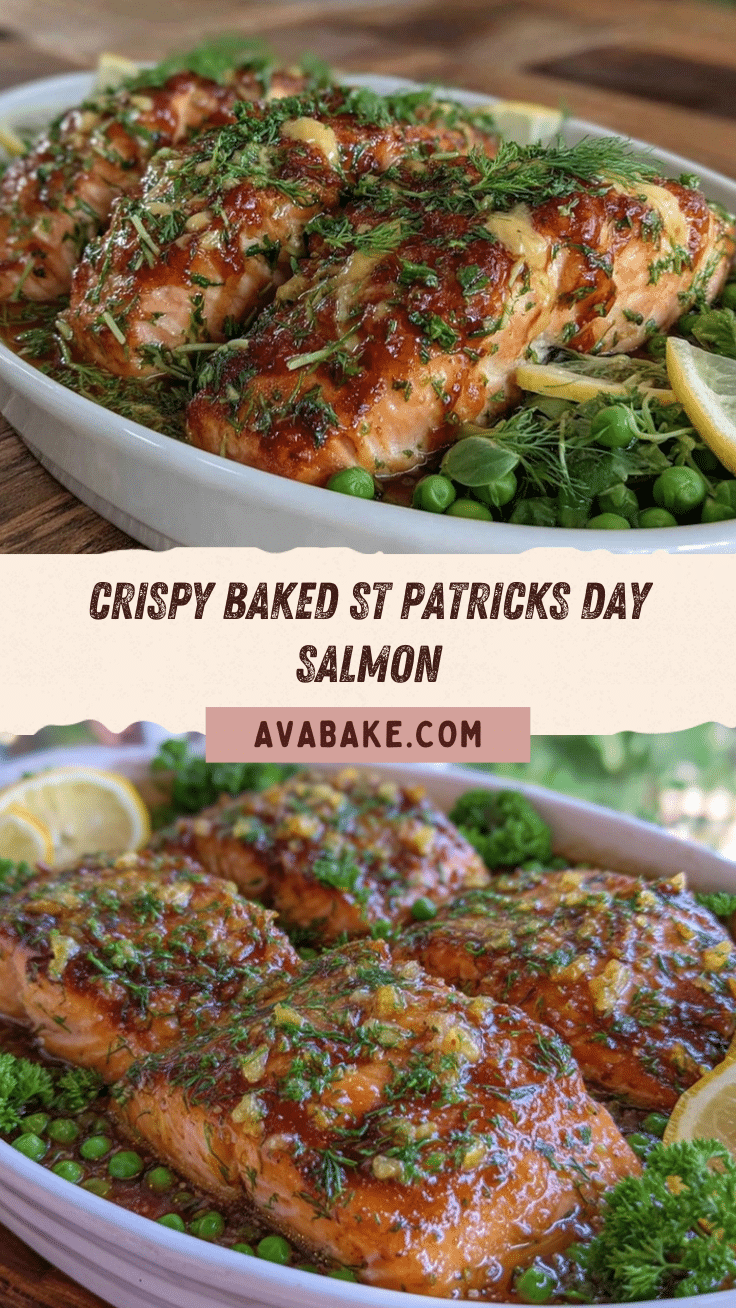
Crispy St Patrick’s Day Salmon

A quick and easy baked salmon recipe with perfectly crispy skin and tender flesh, seasoned with Irish herbs and lemon zest. Perfect for festive occasions or a simple weeknight dinner.
- Prep Time: 10 minutes
- Cook Time: 15 minutes
- Total Time: 25 minutes
- Yield: 4 servings 1x
- Category: Main Course
- Cuisine: Irish
Ingredients
- 4 salmon fillets, skin-on, about 6 oz (170g) each
- 2 tablespoons extra virgin olive oil
- 1 teaspoon lemon zest
- 1 teaspoon garlic powder
- 1 teaspoon dried thyme
- Sea salt, to taste
- Freshly ground black pepper, to taste
- 1 tablespoon melted butter (optional)
- 2 tablespoons fresh parsley, chopped
Instructions
- Preheat your oven to 425°F (220°C). Set your rack in the middle position.
- Rinse the salmon fillets under cold water and pat them completely dry with paper towels, especially the skin side.
- Optional: Using a sharp knife, make 2-3 shallow slashes on the skin side, about 1-inch apart, being careful not to cut into the flesh.
- Place fillets skin-side down on a baking sheet or wire rack. Drizzle olive oil evenly over the top and skin, then sprinkle lemon zest, garlic powder, dried thyme, sea salt, and black pepper. Pat the seasonings gently to adhere.
- Bake for 12-15 minutes depending on thickness (about 1-inch). The salmon should be opaque and flake easily with a fork, and the skin should be golden and crisp. Avoid opening the oven too often.
- Optional: Brush the salmon with melted butter as soon as it comes out for a glossy, rich finish. Sprinkle chopped fresh parsley on top.
- Let the salmon rest for 2 minutes before serving to allow juices to redistribute.
Notes
Pat the salmon skin very dry before seasoning to ensure crispiness. Use a hot oven at 425°F (220°C) and avoid flipping the fillets during baking. For extra crispiness, broil for 1-2 minutes at the end, watching closely to avoid burning. If using frozen salmon, thaw completely and pat dry. Butter is optional and can be replaced with vegan margarine for dairy-free. Variations include swapping thyme for dill or tarragon, adding smoked paprika or cayenne for heat, or using orange zest instead of lemon zest.
Nutrition
- Serving Size: 1 salmon fillet (abo
- Calories: 350
- Sodium: 150
- Fat: 25
- Saturated Fat: 4
- Carbohydrates: 2
- Protein: 22
Keywords: salmon, crispy salmon, baked salmon, St Patrick’s Day recipe, Irish salmon, healthy salmon, easy salmon recipe