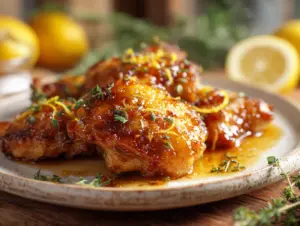
“You sure you want to make that tonight?” my friend asked, raising an eyebrow at the thick, jewel-like filet mignon I’d just pulled from the fridge. Honestly, I was half-expecting a disaster. I’d been chasing the perfect steak sear forever, and that cast iron skillet was my secret weapon — or so I hoped. I was tired after a long day and frankly, wasn’t in the mood to fuss over anything complicated. But hey, sometimes the best recipes come out of sheer stubbornness and a craving for something simple yet luxurious.
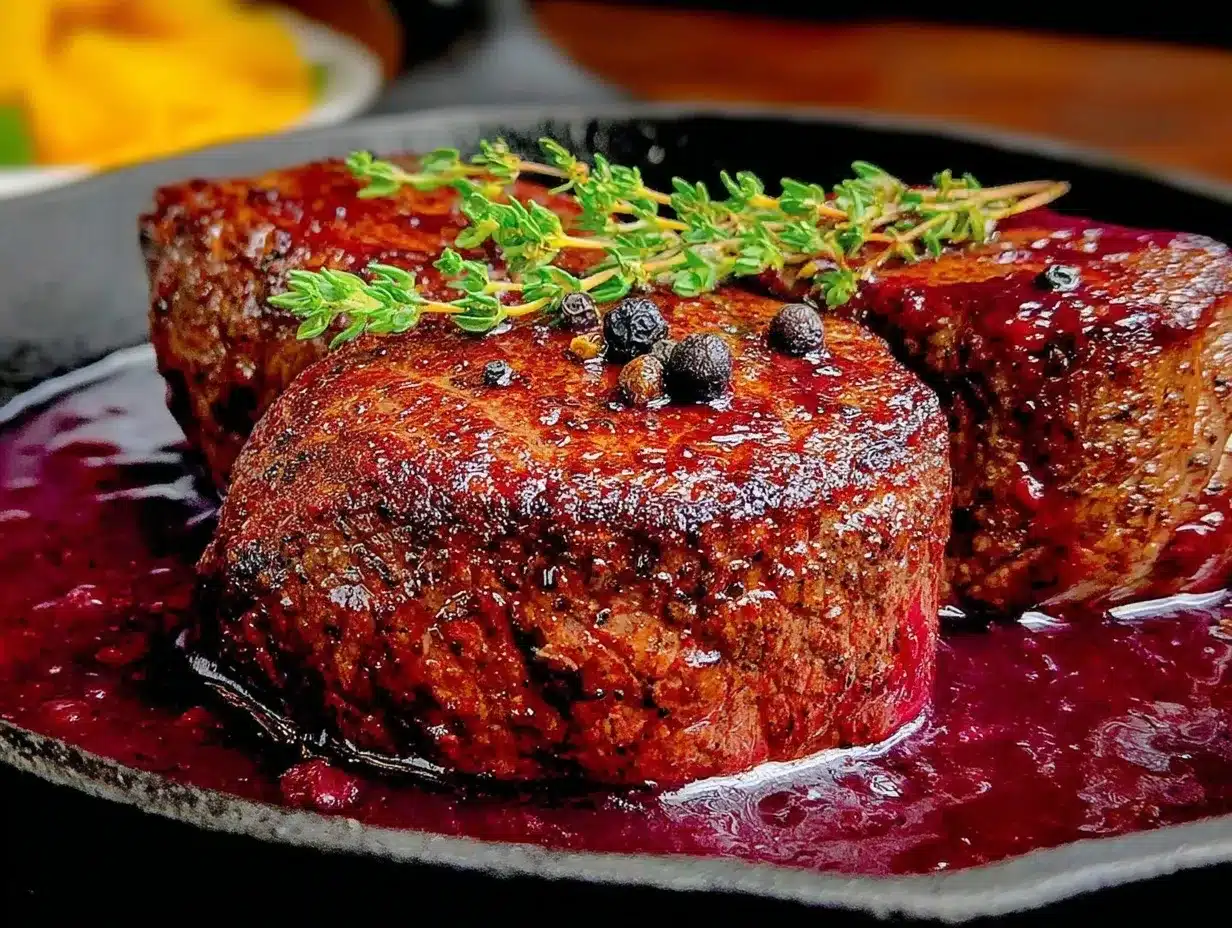
As the steak hit the hot skillet, the sizzle filled the kitchen — that unmistakable sound that always stops me in my tracks. The rich, meaty aroma swirled around, mixing with the subtle hint of butter melting beside it. The finishing touch was the red wine reduction, bubbling gently on the side, turning something ordinary into an elegant dinner that had me feeling like I’d just stepped out of a fancy restaurant. That night, I realized how approachable a perfect cast iron seared filet mignon really is — no fuss, just patience and a little love.
What stuck with me wasn’t just how tender and buttery the meat turned out, but how that simple red wine reduction brought everything together with a silky, tangy finish. It’s a dish that’s easy enough for a quiet night in but impressive enough to serve when guests drop by unexpectedly. And trust me, once you make this, you’ll understand why it quickly became a go-to for special dinners and celebratory meals alike.
Why You’ll Love This Recipe
This perfect cast iron seared filet mignon with red wine reduction isn’t just another steak recipe — it’s one that’s been tested, tweaked, and loved through many dinners. Here’s what makes it stand out:
- Quick & Easy: You can have a restaurant-worthy steak ready in under 30 minutes, perfect for busy weeknights or those last-minute dinner plans.
- Simple Ingredients: No need to hunt for exotic items — just quality beef, butter, garlic, and a good bottle of red wine (and you probably already have most of these).
- Perfect for Special Occasions: Whether it’s a date night or a celebratory meal, this recipe adds a touch of elegance without stress.
- Crowd-Pleaser: Even steak skeptics end up asking for seconds; it’s tender, juicy, and full of flavor.
- Unbelievably Delicious: The combination of the caramelized crust from the cast iron sear and the silky red wine reduction creates a mouthwatering balance that’s hard to beat.
What really sets this apart is the technique — searing in a cast iron skillet locks in juices and creates that perfect crust, while the red wine reduction adds depth that’s both bold and subtle. I’ve made versions swapping in other wines or skipping the sauce entirely, but this combo always wins. It’s comfort food with a refined twist — the kind of meal that makes you pause, savor, and maybe even close your eyes after the first bite.
Also, if you’re into other hearty, crowd-pleasing dishes, you might appreciate how well this filet pairs with some easy sides. For example, this recipe works beautifully alongside a creamy sausage and potato soup or even the easy St. Patrick’s Day beef sheet pan dinner for a whole comforting feast.
What Ingredients You Will Need
This recipe uses straightforward, wholesome ingredients to deliver bold flavor and a luxurious texture without any fuss. Most of these are pantry staples, and a few fresh touches make a big difference.
- Filet Mignon Steaks: 2 steaks, about 6-8 ounces (170-225 g) each, trimmed and at room temperature — quality matters here, so look for USDA Choice or Prime if possible.
- Salt and Freshly Ground Black Pepper: For seasoning — plenty of it, since that’s what creates the crust.
- Unsalted Butter: 2 tablespoons, softened — adds richness and helps develop the crust.
- Olive Oil: 1 tablespoon — use a high-smoke-point oil like avocado or grapeseed if you have it (I prefer California Olive Ranch for consistent flavor).
- Garlic Cloves: 2, smashed — they infuse the butter with a subtle aromatic note.
- Fresh Thyme or Rosemary: A few sprigs — feel free to swap or omit, but herbs add an earthy, fragrant element.
- Red Wine: ¾ cup (180 ml) — a dry red like Cabernet Sauvignon or Merlot works best for the reduction (choose one you’d enjoy drinking, as it impacts flavor).
- Beef Stock or Broth: ½ cup (120 ml) — adds depth and helps balance the wine reduction.
- Shallot: 1 small, finely minced — optional but recommended for sweetness and complexity in the sauce.
- Cold Unsalted Butter: 1 tablespoon, cut into small cubes for finishing the sauce — this technique, called “monter au beurre,” helps thicken and enrich the reduction.
If you want a gluten-free option, just double-check your beef stock to avoid any hidden thickeners. For a dairy-free version, swap butter with a neutral oil for searing, but the sauce won’t have quite the same silky finish.
Equipment Needed
- Cast Iron Skillet: This is key — it retains heat perfectly and creates that coveted sear. If you don’t have one, a heavy stainless steel pan works but the results may vary.
- Tongs: For flipping the steaks easily — avoid forks to keep juices inside the meat.
- Meat Thermometer: Helpful but not mandatory — especially useful to hit that perfect medium-rare around 130-135°F (54-57°C).
- Saucepan: For the red wine reduction.
- Wooden Spoon or Whisk: For stirring the sauce consistently.
Personally, I’ve tried cast iron skillets from various brands — Lodge is a great budget-friendly option, while Le Creuset offers a premium feel. Just make sure your skillet is well-seasoned to keep that steak from sticking. I also recommend cleaning and drying your cast iron promptly after use to maintain its seasoning and prevent rust.
Preparation Method
- Bring Steaks to Room Temperature: Remove the filet mignon from the fridge about 30 minutes before cooking. This helps them cook evenly. Pat dry with paper towels to remove excess moisture — this is crucial for a good sear.
- Season Generously: Sprinkle salt and freshly ground black pepper all over the steaks. Don’t be shy — this seasoning forms the delicious crust. Set aside.
- Preheat Your Cast Iron Skillet: Place the skillet over medium-high heat and let it get smoking hot — about 5 minutes. A properly heated pan ensures that satisfying sizzle when the steak hits the surface.
- Add Oil and Butter: Pour in the olive oil and add 1 tablespoon of butter. Swirl to coat the pan. Toss in the smashed garlic cloves and herb sprigs to flavor the fat. Let the butter brown slightly but not burn (watch closely!).
- Sear the Steaks: Place the filets in the pan — don’t overcrowd. Sear without moving for about 3-4 minutes on the first side until a deep brown crust forms. Flip gently using tongs.
- Cook the Other Side: Add the remaining tablespoon of butter on top of each steak. Tilt the pan slightly and spoon the melted butter, garlic, and herbs over the steaks repeatedly (this is called basting and adds flavor and juiciness). Cook for another 3-4 minutes for medium-rare (adjust time if your steaks are thicker or thinner).
- Check for Doneness: Use a meat thermometer if you have one. Target 130-135°F (54-57°C) for medium-rare. Remember, steak will continue to cook slightly while resting.
- Rest the Steaks: Transfer to a warm plate and tent loosely with foil. Let rest for at least 5-10 minutes — this step lets juices redistribute, making the meat tender and juicy.
- Make the Red Wine Reduction: While steaks rest, pour off excess fat from the skillet, leaving a tablespoon. Return skillet to medium heat. Add minced shallots and sauté for 1-2 minutes until softened. Pour in the red wine and beef stock, scraping up any browned bits from the pan (those bits carry a ton of flavor!). Simmer gently until liquid reduces by half, about 8-10 minutes.
- Finish the Sauce: Remove from heat and whisk in the cold butter cubes one at a time until the sauce is glossy and slightly thickened. Season with salt and pepper to taste.
- Serve: Plate the filet mignon and spoon the red wine reduction over the top or serve on the side.
Pro tip: If the sauce becomes too thick, add a splash of beef stock or water to loosen it. And don’t rush the resting period — it’s the secret to juicy steak every time.
Cooking Tips & Techniques
Here’s the deal — getting that perfect sear and tender center is all about temperature control and timing. I once overcooked my first filet mignon by a mile because I rushed flipping, and it came out more like shoe leather than steak. Don’t do what I did!
- Preheat your skillet thoroughly: When the pan is hot enough, the steak will create an immediate sear, locking in juices and flavor.
- Pat dry the steak: Moisture is the enemy of browning. Use paper towels to get your meat as dry as possible before seasoning.
- Avoid overcrowding: Cook in batches if needed. Overcrowding lowers the pan’s heat and causes steaming instead of searing.
- Baste with butter and herbs: This is a little extra step that adds layers of flavor and keeps the meat moist.
- Use a thermometer: It’s the best way to hit your desired doneness — 125°F (52°C) rare, 135°F (57°C) medium-rare, 145°F (63°C) medium.
- Rest the steak: Never skip this! It’s crucial for juicy, tender beef.
- Sauce finesse: Reduce your wine slowly to avoid bitterness — low and slow wins here.
Multitasking helps — start the sauce while the steaks rest to save time. This recipe is forgiving, so don’t stress about slight timing differences; the red wine reduction will always pull it together beautifully.
Variations & Adaptations
While the classic version is hard to beat, feel free to mix things up:
- Herb Variations: Swap thyme for fresh rosemary or even sage for a different aromatic profile.
- Wine Choices: Use a Pinot Noir or a dry Zinfandel instead of Cabernet for a lighter or fruitier sauce.
- Alternative Sauces: Try a garlic butter sauce or peppercorn cream sauce if you want to skip the wine.
- Dietary Tweaks: Use coconut oil and dairy-free butter substitutes to make this recipe dairy-free (though the sauce texture changes).
- Cooking Methods: Prefer the oven? Sear the filet in the cast iron for 2 minutes per side, then transfer the skillet to a 400°F (200°C) oven for 5-7 minutes to finish cooking.
I personally love adding a touch of balsamic vinegar to the red wine reduction for a slightly sweet tang — it’s a twist I stumbled upon when making a sheet pan beef dinner and kept coming back to because it complements the richness so well.
Serving & Storage Suggestions
Serve this filet mignon hot off the stove, spooning the red wine reduction over the top for maximum flavor impact. It pairs wonderfully with creamy mashed potatoes, roasted vegetables, or even a fresh arugula salad to cut through the richness.
For a perfect dinner vibe, pour a glass of the same red wine you used in the sauce — it brings the whole experience together.
If you have leftovers (rare but possible!), store the filet in an airtight container in the fridge for up to 2 days. Reheat gently in a low oven (about 250°F/120°C) wrapped in foil to avoid drying out. The sauce can be warmed separately on the stovetop, adding a splash of broth if it thickens too much.
Flavors actually deepen after a day, so you might find the sauce tastes even better the next day — just give it a gentle stir before serving.
Nutritional Information & Benefits
Per serving (1 steak with sauce): approximately 450-500 calories, 35g protein, 35g fat (mostly from butter and steak), and negligible carbs.
Filet mignon is a lean cut, rich in protein and essential vitamins like B12 and zinc. The red wine reduction adds antioxidants from the wine, and using fresh herbs contributes trace minerals and flavor without extra calories.
This recipe fits well within a low-carb or keto-friendly diet. Just watch the wine quantity if you’re strictly counting carbs, but the simmering reduces sugar content significantly. As always, be mindful of any allergies, particularly to wine or dairy.
Conclusion
This perfect cast iron seared filet mignon with red wine reduction is a recipe that sticks with you — not because it’s complicated, but because it’s honest, straightforward, and packed with flavor. It’s a dish you can trust to impress without the stress, and it invites you to play with the sauce and seasoning to make it your own.
For me, it’s the kind of recipe that turns a normal weeknight into something a little special, or a casual dinner into a moment worth savoring. I hope you find the same joy in making and sharing it, and please don’t hesitate to tweak it to your taste — that’s the best part.
When you get around to trying it, I’d love to hear how yours turned out and what variations you enjoyed the most. Cooking’s always better when we share the stories and the flavors.
Frequently Asked Questions
How do I know when my filet mignon is cooked to medium-rare?
The best way is using a meat thermometer — aim for an internal temperature of 130-135°F (54-57°C). The steak will continue to cook slightly while resting.
Can I use another pan if I don’t have cast iron?
A heavy stainless steel skillet works in a pinch, but cast iron holds heat better and creates a superior crust.
What if I don’t drink wine or don’t have red wine on hand?
You can substitute the red wine with grape juice mixed with a splash of vinegar, or use extra beef stock for a milder sauce.
How thick should the filet mignon steaks be?
About 1.5 to 2 inches thick is ideal — thick enough to get a good sear but still cook to your desired doneness without drying out.
Can I prepare the red wine reduction in advance?
Yes, make it ahead and gently reheat before serving. Add a splash of beef broth if it thickens too much during storage.
Pin This Recipe!
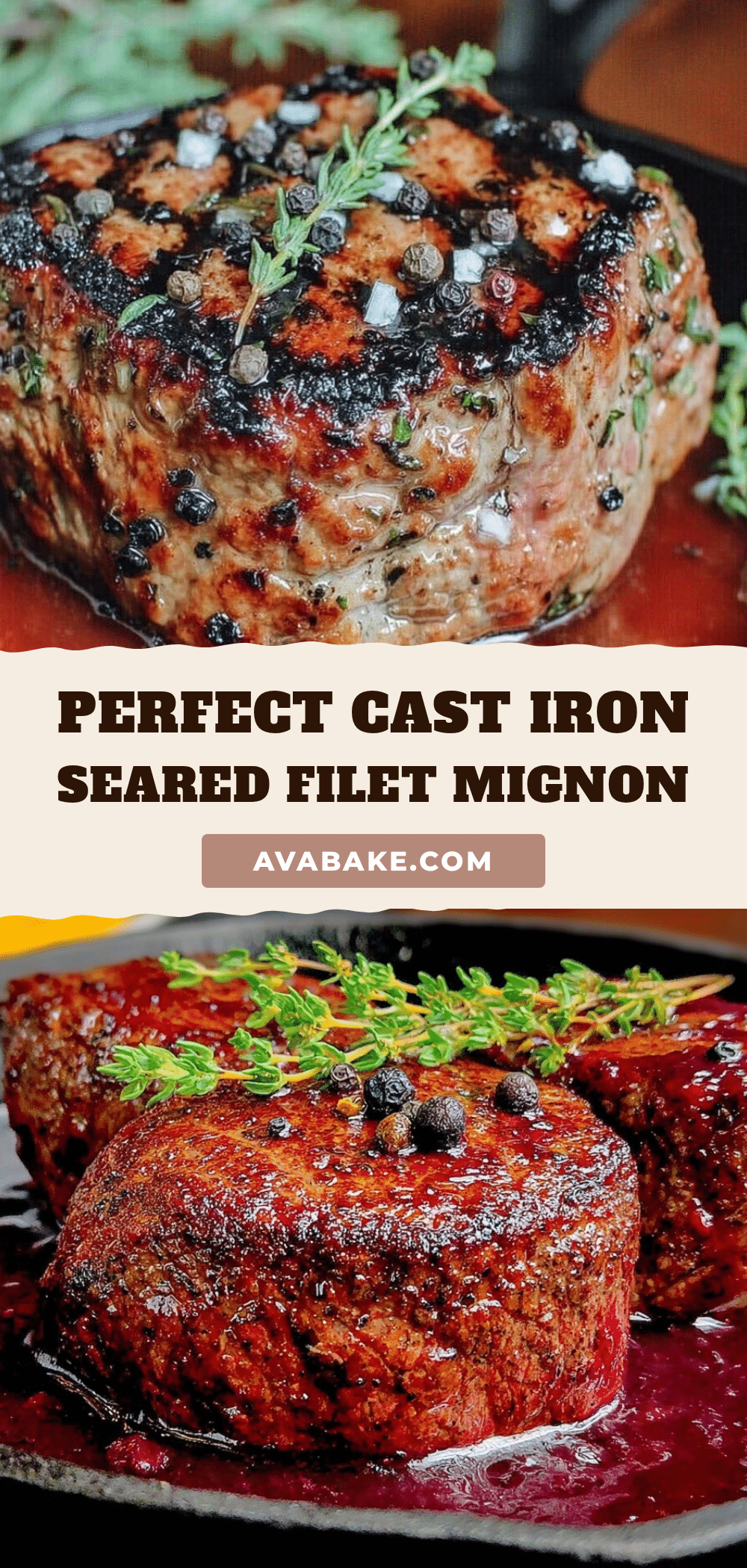
Perfect Cast Iron Seared Filet Mignon Recipe with Easy Red Wine Reduction
A simple yet luxurious recipe for perfectly seared filet mignon using a cast iron skillet, finished with a silky red wine reduction sauce. Ideal for special occasions or an elegant weeknight dinner.
- Prep Time: 30 minutes
- Cook Time: 15 minutes
- Total Time: 45 minutes
- Yield: 2 servings 1x
- Category: Main Course
- Cuisine: American
Ingredients
- 2 filet mignon steaks, about 6-8 ounces (170–225 g) each, trimmed and at room temperature
- Salt and freshly ground black pepper, to taste
- 2 tablespoons unsalted butter, softened
- 1 tablespoon olive oil (or high-smoke-point oil like avocado or grapeseed)
- 2 garlic cloves, smashed
- A few sprigs fresh thyme or rosemary
- 3/4 cup (6 fl oz) dry red wine (Cabernet Sauvignon or Merlot recommended)
- 1/2 cup (4 fl oz) beef stock or broth
- 1 small shallot, finely minced (optional)
- 1 tablespoon cold unsalted butter, cut into small cubes (for finishing the sauce)
Instructions
- Remove the filet mignon from the fridge about 30 minutes before cooking to bring to room temperature. Pat dry with paper towels.
- Season steaks generously with salt and freshly ground black pepper on all sides.
- Preheat a cast iron skillet over medium-high heat until smoking hot, about 5 minutes.
- Add olive oil and 1 tablespoon butter to the skillet. Swirl to coat the pan. Add smashed garlic cloves and herb sprigs. Let butter brown slightly but do not burn.
- Place the filets in the skillet without overcrowding. Sear for 3-4 minutes on the first side until a deep brown crust forms. Flip gently using tongs.
- Add the remaining tablespoon of butter on top of each steak. Tilt the pan and spoon the melted butter, garlic, and herbs over the steaks repeatedly (basting). Cook another 3-4 minutes for medium-rare.
- Check doneness with a meat thermometer aiming for 130-135°F (54-57°C) for medium-rare.
- Transfer steaks to a warm plate and tent loosely with foil. Rest for 5-10 minutes to let juices redistribute.
- While steaks rest, pour off excess fat from the skillet leaving about 1 tablespoon. Return skillet to medium heat.
- Add minced shallots and sauté 1-2 minutes until softened.
- Pour in red wine and beef stock, scraping up browned bits from the pan. Simmer gently until liquid reduces by half, about 8-10 minutes.
- Remove from heat and whisk in cold butter cubes one at a time until sauce is glossy and slightly thickened. Season with salt and pepper to taste.
- Serve filet mignon hot, spooning red wine reduction over the top or on the side.
Notes
Bring steaks to room temperature before cooking for even doneness. Pat steaks dry to ensure a good sear. Use a meat thermometer to achieve perfect medium-rare. Rest steaks after cooking to keep them juicy. If sauce is too thick, add a splash of beef stock or water to loosen. For dairy-free, substitute butter with neutral oil but sauce texture will differ. Cast iron skillet is preferred for best sear.
Nutrition
- Serving Size: 1 steak with sauce
- Calories: 475
- Sugar: 1
- Sodium: 350
- Fat: 35
- Saturated Fat: 15
- Carbohydrates: 3
- Protein: 35
Keywords: filet mignon, steak, cast iron skillet, red wine reduction, easy steak recipe, special occasion dinner, elegant dinner, quick steak