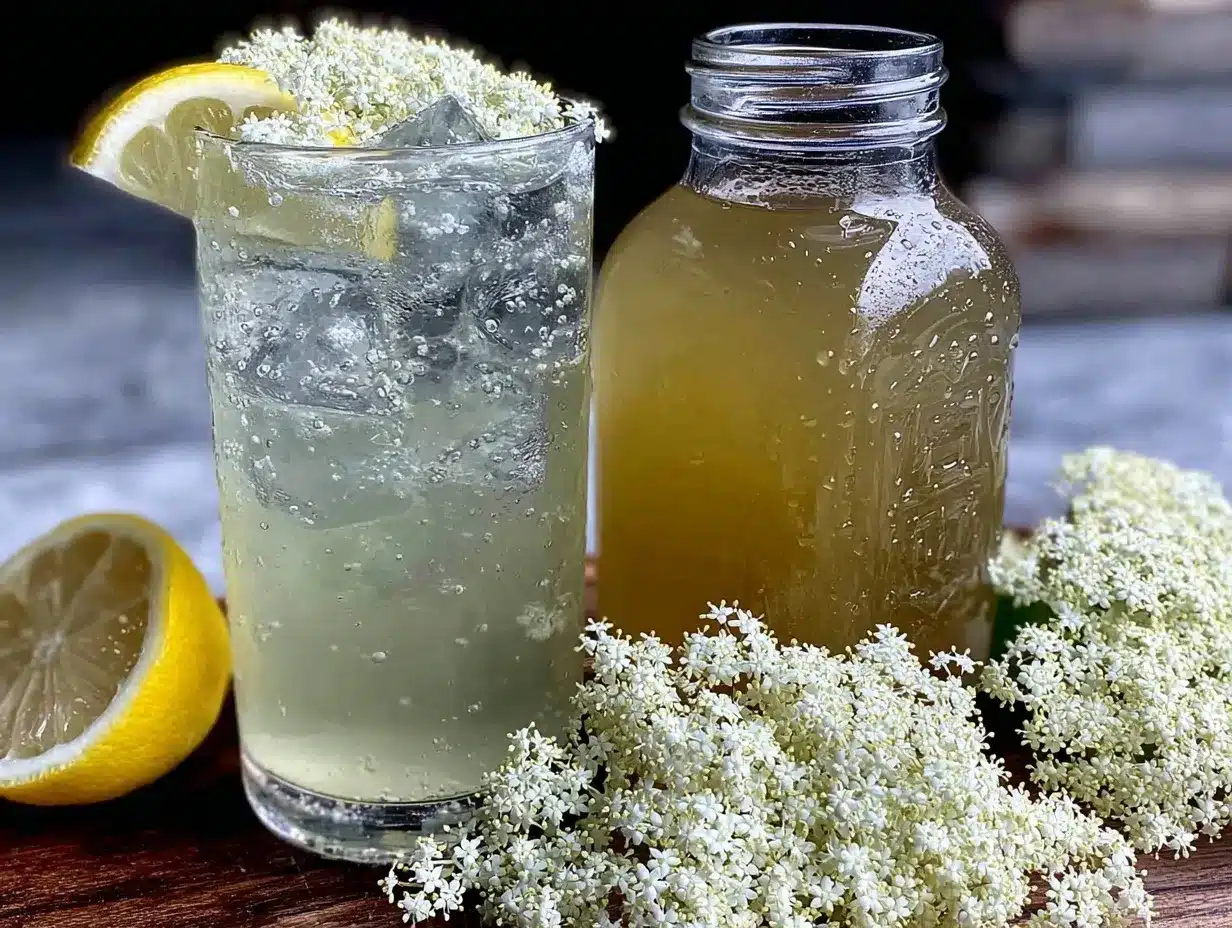
“You’ve got to try this,” my friend Emma said, waving a glass shimmering with a pale golden liquid. It was a warm Saturday afternoon last June, and I was skeptical. I mean, elderflower? Honestly, I hadn’t given it much thought before—just another fancy ingredient on the edge of my culinary radar. But that first sip of her homemade elderflower cordial syrup mixed into sparkling lemonade was like catching a cool breeze on a sticky day. It wasn’t just refreshing; it was a little celebration in a glass.
That day, I found myself scribbling hurried notes on a napkin while Emma explained how she stumbled upon the recipe from a charming vendor at the local farmer’s market. She’d been reluctant at first, worried the floral notes might be overpowering. But, as it turns out, this syrup strikes the perfect balance—floral without fuss, sweet without being cloying. You know that moment when a drink just feels like summer? Yeah, this is that.
Now, whenever I feel the late afternoon heat creeping in, I’m reaching for elderflower cordial syrup—whether it’s to brighten up a homemade lemonade or to add a delicate twist to cocktails for friends. Maybe you’ve been there too, searching for that one ingredient that turns ordinary into memorable. That’s exactly what elderflower cordial syrup does for me, and I’m pretty sure it will for you as well.
Why You’ll Love This Refreshing Elderflower Cordial Syrup Recipe
After several attempts and tweaks, this elderflower cordial syrup recipe became my go-to for all things refreshing and floral. It’s not just a syrup; it’s a little magic that livens up drinks and desserts alike!
- Quick & Easy: Ready in just about 15 minutes plus a short steeping time—ideal when you need a last-minute mixer.
- Simple Ingredients: No need for obscure items—just fresh elderflower heads, sugar, lemons, and water.
- Perfect for Summer Gatherings: Whether it’s a backyard barbecue or a quiet afternoon, this syrup adds a charming twist.
- Crowd-Pleaser: Everyone from cocktail enthusiasts to kids sipping lemonade loves it.
- Unbelievably Delicious: The floral aroma and subtle citrus tang create a refreshing yet sophisticated flavor.
What sets this recipe apart is the gentle steeping method paired with just the right amount of lemon zest and juice, which keeps the syrup bright and lively. Plus, I prefer using organic elderflowers from trusted local growers to get that authentic fragrance. Honestly, it’s the kind of recipe that has you closing your eyes after the first sip, savoring that perfect balance. Whether you’re mixing cocktails or simply jazzing up your lemonade, this elderflower cordial syrup makes every sip special.
What Ingredients You Will Need for Elderflower Cordial Syrup
This recipe keeps things straightforward, using simple, fresh ingredients that combine to produce a syrup bursting with natural floral notes and brightness. You probably have most of these in your pantry or garden—if not, they’re easy to find at farmer’s markets or well-stocked grocery stores.
- Fresh Elderflower Heads (about 20-25 large, freshly picked, preferably organic) – Look for blossoms that are fully open but not browned or wilted.
- Granulated Sugar (4 cups / 800 grams) – Use caster sugar if you want quicker dissolving; I usually go with organic cane sugar.
- Water (4 cups / 1 liter) – Filtered or spring water works best for a clean taste.
- Lemons (2 large, unwaxed) – Zest and juice; the zest adds brightness, and the juice balances sweetness.
- Citric Acid (1 teaspoon, optional) – Helps preserve the syrup and adds a subtle tartness; I skip it if I plan to use the syrup quickly.
If you can’t find fresh elderflowers, dried elderflowers are an option but the flavor won’t be quite as vibrant. For a gluten-free version, this recipe is naturally suitable as is! Also, if you want to cut down on sugar, you can reduce it slightly, but the syrup won’t keep as long. When picking lemons, I recommend organic for zesting safety—no one wants bitter pith sneaking in.
Equipment Needed to Make Elderflower Cordial Syrup
- Large Mixing Bowl: For steeping the elderflowers with water and lemon zest.
- Fine Mesh Strainer or Cheesecloth: Essential for straining the delicate flowers without losing the syrup’s clarity.
- Large Saucepan: To dissolve sugar and boil the syrup base.
- Measuring Cups and Spoons: Accuracy counts here, especially for sugar and lemon juice.
- Glass Bottles or Jars: For storing the finished cordial; I prefer sterilized bottles with airtight lids.
If you don’t have cheesecloth, a clean cotton kitchen towel works just fine, though it might take a bit longer to strain. I learned the hard way not to skip the straining step properly—bits of flower can sneak into your drink and ruin the smoothness. Also, a citrus zester or microplane makes zesting lemons a breeze and keeps the zest fine enough to infuse without bitterness. Budget-friendly tip: a simple sieve and a funnel will do the job if you don’t have fancy bottles.
Preparation Method: How to Make Elderflower Cordial Syrup in 5 Easy Steps
- Prepare the Elderflowers and Lemon: Gently shake the elderflower heads to remove any bugs or dirt—don’t wash them under water or you’ll lose flavor. Strip the tiny green stems (they’re bitter). Zest the lemons carefully, avoiding the white pith, and juice them. This step takes about 10 minutes.
- Make the Sugar Syrup: In a large saucepan, combine the water and sugar. Heat gently, stirring until the sugar fully dissolves, then bring to a boil and simmer for 2 minutes. This step helps the syrup keep longer and ensures a smooth texture.
- Combine and Steep: Pour the hot sugar syrup into the mixing bowl with elderflower heads, lemon zest, lemon juice, and citric acid if using. Stir gently to mix everything. Cover loosely with a clean cloth and let it steep at room temperature for 24 to 48 hours. The longer it steeps, the stronger the flavor. I usually do 36 hours for the perfect balance.
- Strain the Syrup: Using a fine mesh strainer lined with cheesecloth or a clean towel, strain the syrup into a clean bowl or large jug. Press gently to extract every drop but don’t force it too hard or you’ll get bitter flavors. This step is key to a clear, beautifully fragrant syrup.
- Bottle and Store: Pour the strained syrup into sterilized glass bottles or jars. Seal tightly and refrigerate. The syrup will keep for up to 3 weeks in the fridge, or freeze for longer storage.
Pro tip: When pouring hot syrup, be careful not to burn yourself. I once forgot this and made a sticky mess that took ages to clean! Also, if you notice the syrup crystallizing over time, warm it gently and stir to dissolve the sugar again.
Cooking Tips & Techniques for the Perfect Elderflower Cordial Syrup
Making elderflower cordial syrup sounds simple, but a few tricks really make a difference. First, don’t rush the steeping process—patience is key to capturing those delicate floral notes without turning bitter. I’ve learned to keep the steeping bowl covered loosely so condensation doesn’t dilute the syrup.
Another tip: always remove the green stems from the flowers. They carry bitterness that can spoil the syrup’s delicate balance. When zesting lemons, avoid the white pith—it’s a common rookie mistake that leads to unwanted sharpness.
During sugar syrup preparation, stirring constantly prevents burning and ensures a smooth texture. I once left the pan unattended and ended up with caramelized sugar—that’s tasty but not what you want here!
Timing-wise, this syrup pairs well with chilled drinks, so if you’re prepping cocktails for guests, make your syrup a day ahead to let flavors settle. Multitasking while the syrup steeps is a good way to manage time.
Lastly, always use fresh elderflowers in season. They’re seasonal and fleeting, so grabbing them at peak freshness makes a huge difference in aroma and flavor.
Variations & Adaptations for Elderflower Cordial Syrup
- Lower Sugar Version: Reduce sugar by 25% for a less sweet cordial. Keep in mind it won’t keep as long and may need refrigeration.
- Herbal Twist: Add a sprig of fresh mint or a few basil leaves during steeping for an herbal note that plays beautifully with the floral syrup.
- Spiced Elderflower Syrup: Toss in a cinnamon stick or a few cloves during the hot syrup preparation for a subtle warming spice—perfect for cooler evenings.
- Alcohol-Infused Variation: Mix the finished syrup with a splash of gin or vodka before bottling for an instant cocktail base.
- Vegan-Friendly & Allergy Considerations: This recipe is naturally vegan and gluten-free. If you want to avoid refined sugar, substitute with coconut sugar but expect a darker color and slight flavor change.
Personally, I once tried adding a handful of frozen raspberries to the steeping syrup, which gave it a lovely pink tint and a hint of berry—great for summer parties!
Serving & Storage Suggestions for Elderflower Cordial Syrup
This elderflower cordial syrup shines best when served chilled. For a classic treat, mix 1 part syrup to 4 parts sparkling water or lemonade over ice. Garnish with fresh lemon slices or a sprig of mint for that extra touch. It’s equally delicious in cocktails—try blending it with gin, prosecco, or vodka for a floral twist.
Store your syrup in the refrigerator in airtight glass bottles for up to three weeks. For longer storage, freezing in small portions works well; just thaw in the fridge before use. When reheating gently to dissolve any sugar crystals, avoid boiling to preserve flavor.
Flavors tend to meld and mellow after a day or two, making the syrup taste even better as time passes—kind of like a secret that gets sweeter with age!
Nutritional Information & Benefits of Elderflower Cordial Syrup
Per serving (about 30 ml / 1 oz): approximately 90 calories, mostly from sugar, with zero fat and negligible protein. Elderflowers themselves are prized in traditional remedies for their antioxidant and anti-inflammatory properties, though in syrup form, these benefits are mild due to sugar content.
This cordial is naturally gluten-free and vegan, making it a great option for many dietary needs. For those mindful of sugar intake, enjoy it diluted or try the lower sugar variation. Personally, I appreciate this syrup as an occasional treat that brings a bit of floral joy without artificial additives.
Conclusion: Why This Elderflower Cordial Syrup Recipe Is a Keeper
So, whether you want to impress friends with a unique cocktail mixer or simply enjoy a refreshing homemade lemonade, this elderflower cordial syrup recipe is a wonderful pick. It’s simple, affordable, and carries a nostalgic yet fresh flavor that’s hard to find elsewhere. I keep a bottle in my fridge all summer long, ready to brighten any moment.
Feel free to tweak it—maybe a bit less sugar, a splash of herbs, or a hint of spice—to make it your own. I’d love to hear how you use this syrup or any fun twists you create, so don’t hesitate to drop a comment or share your experience. Here’s to sweet sips and sunny days ahead!
Frequently Asked Questions About Elderflower Cordial Syrup
Can I use dried elderflowers instead of fresh?
Yes, but the flavor will be less vibrant. Use about half the amount and steep for a shorter time to avoid bitterness.
How long does elderflower cordial syrup keep?
Stored in the fridge in sterilized bottles, it lasts about 3 weeks. You can also freeze it for up to 3 months.
Is elderflower cordial syrup suitable for children?
Absolutely! It’s a lovely, non-alcoholic sweetener for homemade lemonade or sparkling water kids will enjoy.
Can I make this syrup without lemon?
Lemon adds brightness and helps preserve the syrup. Omitting it may result in a flatter flavor and shorter shelf life.
What’s the best way to serve elderflower cordial syrup?
Mix it with chilled sparkling water, lemonade, or use it as a base for floral cocktails. Serve over ice with fresh fruit or herbs for garnish.
Pin This Recipe!
Refreshing Elderflower Cordial Syrup
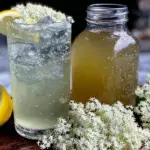
A quick and easy elderflower cordial syrup recipe that adds a floral, sweet, and citrusy twist to cocktails and lemonade. Perfect for summer gatherings and refreshing drinks.
- Prep Time: 15 minutes
- Cook Time: 10 minutes
- Total Time: 36 hours 25 minutes
- Yield: About 6 cups (48 fluid ounces) 1x
- Category: Beverage
- Cuisine: British
Ingredients
- 20–25 large fresh elderflower heads (preferably organic)
- 4 cups (800 grams) granulated sugar
- 4 cups (1 liter) filtered or spring water
- Zest and juice of 2 large unwaxed lemons
- 1 teaspoon citric acid (optional)
Instructions
- Gently shake the elderflower heads to remove any bugs or dirt without washing them. Remove the tiny green stems. Zest the lemons carefully avoiding the white pith and juice them. (About 10 minutes)
- In a large saucepan, combine water and sugar. Heat gently, stirring until sugar dissolves. Bring to a boil and simmer for 2 minutes.
- Pour the hot sugar syrup into a large mixing bowl with elderflower heads, lemon zest, lemon juice, and citric acid if using. Stir gently, cover loosely with a clean cloth, and steep at room temperature for 24 to 48 hours (36 hours recommended).
- Strain the syrup through a fine mesh strainer lined with cheesecloth or a clean towel into a clean bowl or jug. Press gently to extract syrup without forcing.
- Pour the strained syrup into sterilized glass bottles or jars. Seal tightly and refrigerate. Syrup keeps up to 3 weeks refrigerated or can be frozen for longer storage.
Notes
Do not wash elderflowers with water to preserve flavor. Remove green stems to avoid bitterness. Steeping time affects flavor strength; 36 hours is ideal. Warm syrup gently if crystallization occurs. Use organic lemons for zesting to avoid bitterness. Syrup can be varied by reducing sugar, adding herbs or spices, or infusing alcohol.
Nutrition
- Serving Size: 1 oz (30 ml)
- Calories: 90
- Sugar: 23
- Carbohydrates: 23
Keywords: elderflower cordial, elderflower syrup, homemade syrup, summer drinks, cocktail mixer, lemonade syrup, floral syrup, vegan syrup, gluten-free syrup